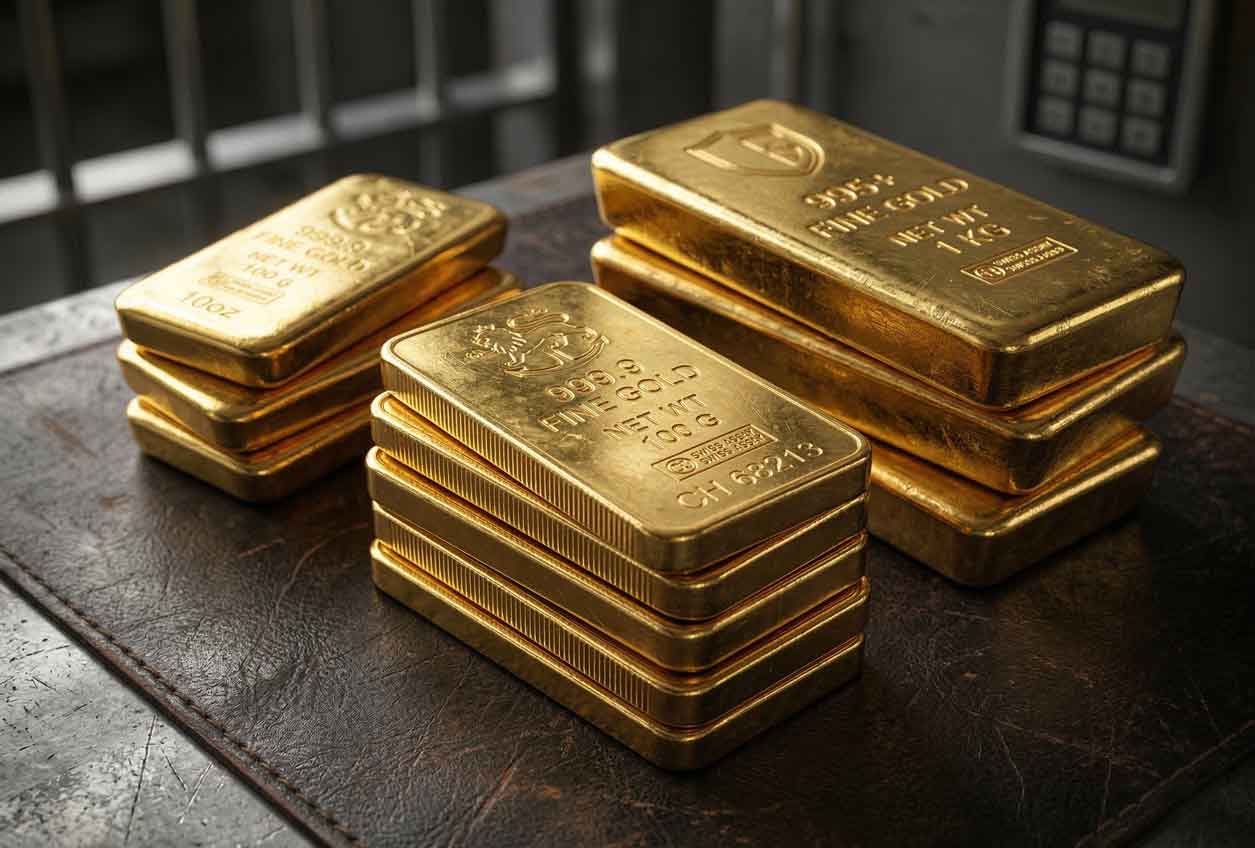
Gold's Recent Performance#
Gold prices have shown a rebound in Asian trading, currently around $4,552 per ounce, reflecting a 1.7% increase for the day. Despite this rise, gold remains approximately 15% lower than its peak earlier this year, primarily due to uncertainties in energy supplies and a stronger U.S. dollar.
Factors Impacting Gold Prices#
UBS strategists, led by Mark Haefele, note that recent price declines are linked to inflation worries, expectations of rising interest rates, reduced investor interest, and diminished demand from the Middle East caused by supply chain issues. However, they view this downturn as a temporary setback, suggesting it presents a chance for investors to increase their holdings in gold, which they consider a valuable long-term hedge against market volatility.
Future Outlook for Gold#
The bank anticipates that monetary conditions will remain favorable for gold. Although Federal Reserve Chair Jerome Powell has adopted a cautious stance, UBS believes that the overall policy direction leans towards easing, with expectations of two interest rate cuts in the next two years. They argue that a decline in core goods inflation could pave the way for these cuts, further supporting gold prices.
Long-Term Demand for Gold#
Looking ahead, UBS highlights ongoing structural demand for gold, driven by factors such as diversification away from the U.S. dollar, high global debt levels, consistent buying by central banks, and increased jewelry demand in Asia. The strategists maintain that gold's long-term upward trend is intact and suggest that investors consider allocating a small percentage of their portfolios to gold for its role as a hedge and a diversification tool.