Introduction#
Turkey's central bank is exploring the use of its substantial gold reserves to help stabilize the lira, which is facing renewed pressure due to geopolitical tensions and rising energy prices.
Economic Pressures on the Lira#
The lira has been experiencing significant volatility, largely influenced by soaring energy costs and uncertainty stemming from the ongoing conflict in Iran. As Turkey imports nearly all of its oil and gas, these external pressures have compounded the challenges facing the country's economy.
Gold Reserves and Currency Strategy#
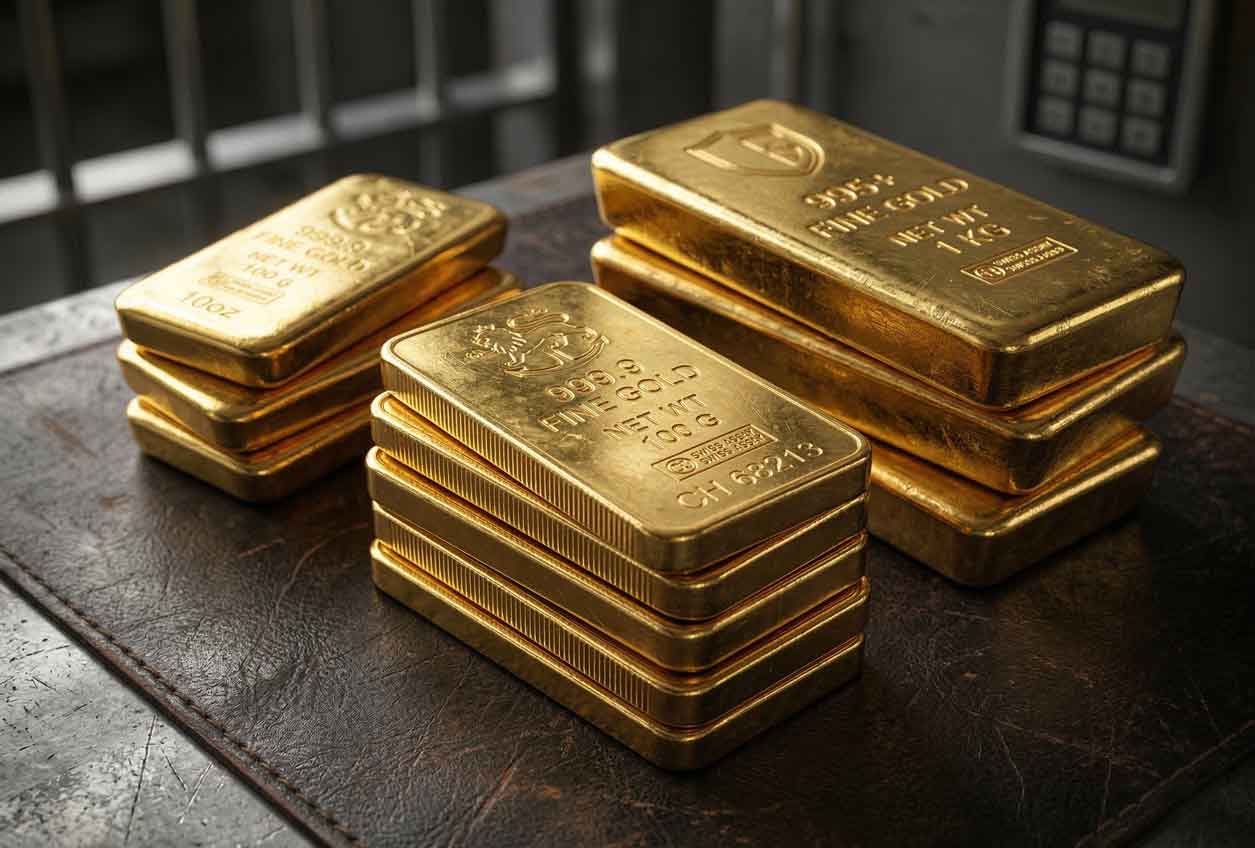
According to reports, officials are considering gold-for-foreign currency swap transactions in the London market. Turkey has built up a considerable gold stockpile over the past decade, with reserves valued at approximately $135 billion as of early March. Notably, around $30 billion of this gold is held at the Bank of England, which could be accessed for foreign exchange interventions without logistical issues.
Inflation and Policy Measures#
With inflation soaring to 31.5% in February, Turkish officials have been striving to maintain the lira's value to control rising prices. However, this strategy has become increasingly challenging as reserves diminish and import costs escalate. To combat these issues, policymakers have tightened liquidity, raised funding costs, and encouraged state-run banks to support the lira. Additionally, the central bank has sold about $16 billion in foreign-currency bonds, including U.S. Treasuries, in recent weeks.
Local Market Reactions#
Signs of strain are evident in local markets, particularly in Istanbul's Grand Bazaar, where traders have started selling dollars at a premium compared to the interbank rate. This shift indicates a growing demand for hard currency among the local population. Despite gold typically being viewed as a safe-haven asset, its price has decreased significantly since the onset of the Middle East conflict, currently trading around $4,380, down from approximately $5,419 in early March.