Overview of Currency Movements#
On Friday, the British pound (GBP) and the euro (EUR) saw slight increases as the U.S. dollar faced broad selling pressure. However, overall market sentiment remains cautious due to escalating tensions in the Gulf region and ongoing inflation worries.
Impact of Gulf Crisis on Markets#
As of 08:31 ET (12:31 GMT), GBP/USD increased by 0.16% to 1.3495, while EUR/USD rose by 0.08% to 0.8680. The main concern affecting these currencies is the closure of the Strait of Hormuz, a vital waterway for oil transport. Just a week ago, both Iran and the U.S. were stating the waterway was open, but the U.S. Navy's blockade has now shut it down, keeping oil prices high and reigniting fears of stagflation—an economic situation characterized by stagnant growth and high inflation.
Central Bank Responses and Interest Rates#
Chris Turner from ING noted that short-term interest rates remain stable, as central banks worldwide may need to respond to rising inflation. This situation makes investors hesitant to bet against the dollar ahead of the weekend. The dollar index (DXY) is expected to hover around 99.15/20, with potential to rise to 99.50 if positive news emerges.
UK Retail Sales Boost Sterling#
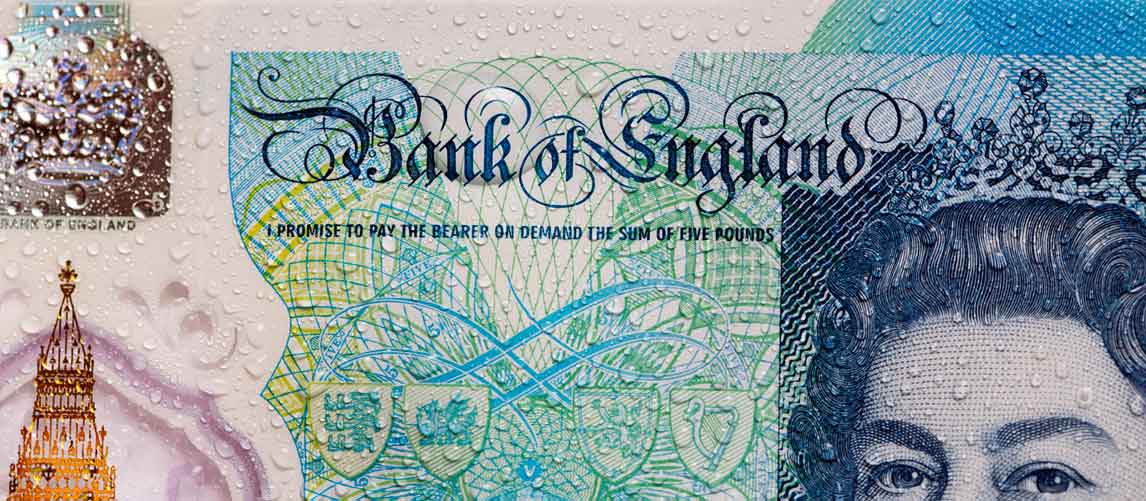
The pound found support from unexpectedly strong UK retail sales data, which showed a 0.7% increase in March compared to a forecasted 0.2%. This marks the highest monthly gain since January 2024, reducing the risk of a near-term recession and delaying potential interest rate cuts by the Bank of England. This positive data provides a solid foundation for the pound, even as global risk appetite remains cautious.
Looking Ahead#
With the Federal Reserve in a pre-meeting blackout period, market direction will depend on the upcoming University of Michigan sentiment report. Any upward revision in inflation expectations could further strengthen the dollar, alongside developments in the Gulf region.