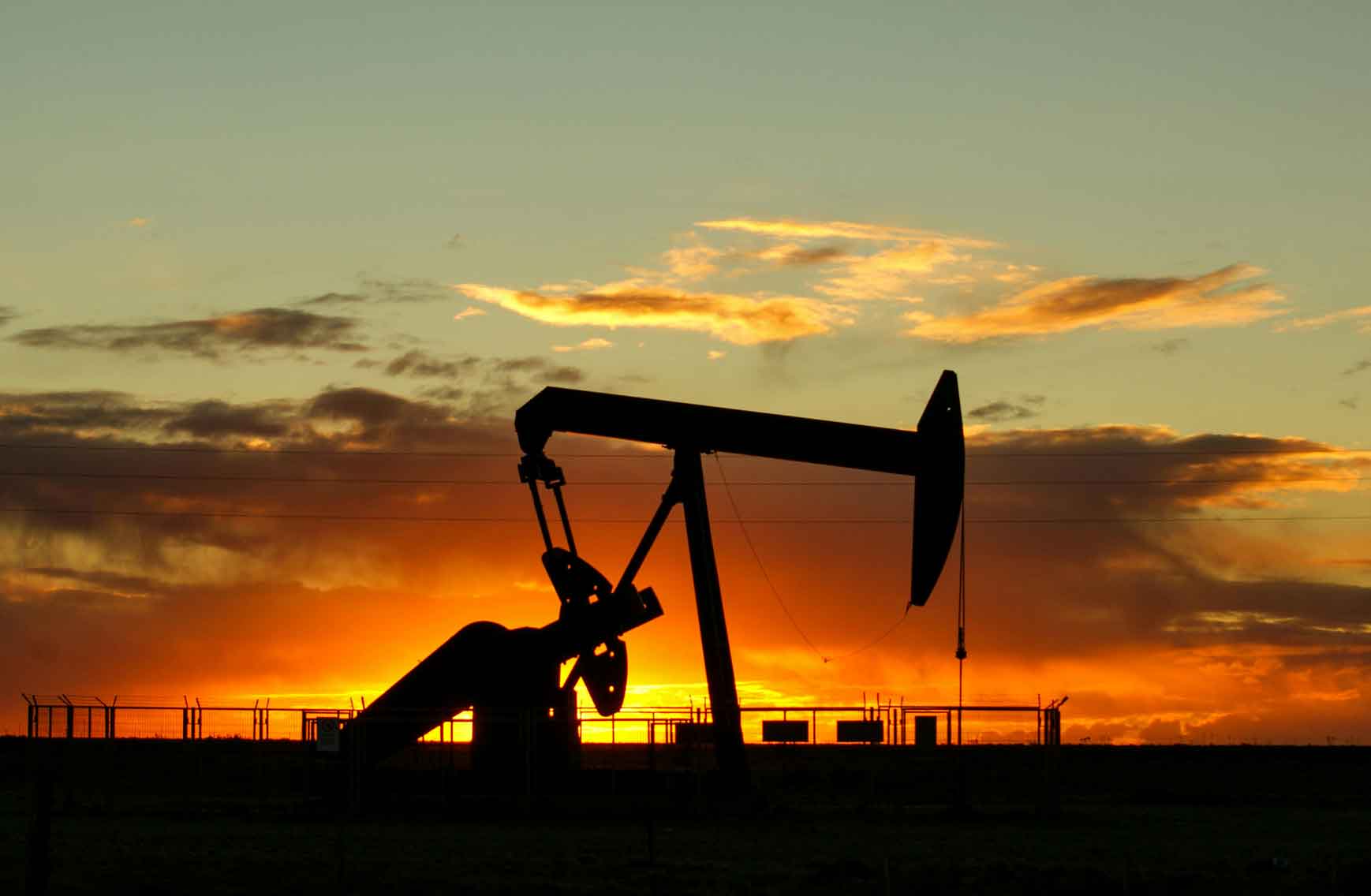
Overview of Oil Price Decline#
Oil prices experienced a decline of about 2% in early trading on Friday, continuing a downward trend from the previous session. This drop follows news that U.S. officials may soon lift sanctions on Iranian oil that is already in transit, potentially increasing global oil supplies.
Factors Influencing Prices#
The decline in oil prices is also influenced by hopes for a reduction in tensions between the U.S. and Israel regarding Iran. The U.S. has reportedly urged Israel to refrain from further attacks on Iran's energy infrastructure, which has contributed to a more stable outlook for oil supply.
Current Oil Price Statistics#
As of 20:06 ET (00:06 GMT), Brent crude oil futures fell to $106.48 a barrel, while West Texas Intermediate (WTI) crude futures dropped to $93.56 a barrel. Despite this recent decline, Brent crude is still up 3.2% for the week, while WTI is facing a 3.3% loss. Just the day before, Brent prices had surged to $119 a barrel before settling lower.
Implications of U.S. Sanction Changes#
U.S. Treasury Secretary Scott Bessent indicated that lifting sanctions on Iranian oil could release approximately 140 million barrels into the market. This potential increase in supply is seen as a strategy to mitigate rising oil prices, which have surged over 40% in 2026 due to ongoing supply disruptions linked to the conflict involving Iran.
Regional Tensions and Their Impact#
In related news, Israeli Prime Minister Benjamin Netanyahu stated that Iran lacks the capability to enrich uranium or produce ballistic missiles. This statement follows Israel's recent military actions against Iran's South Pars gas field, the largest in the world, which has led to retaliatory threats from Iran. Iran's Revolutionary Guard has indicated that they will continue their aggressive stance, further impacting oil and gas supply routes, particularly in Asia.