Introduction#
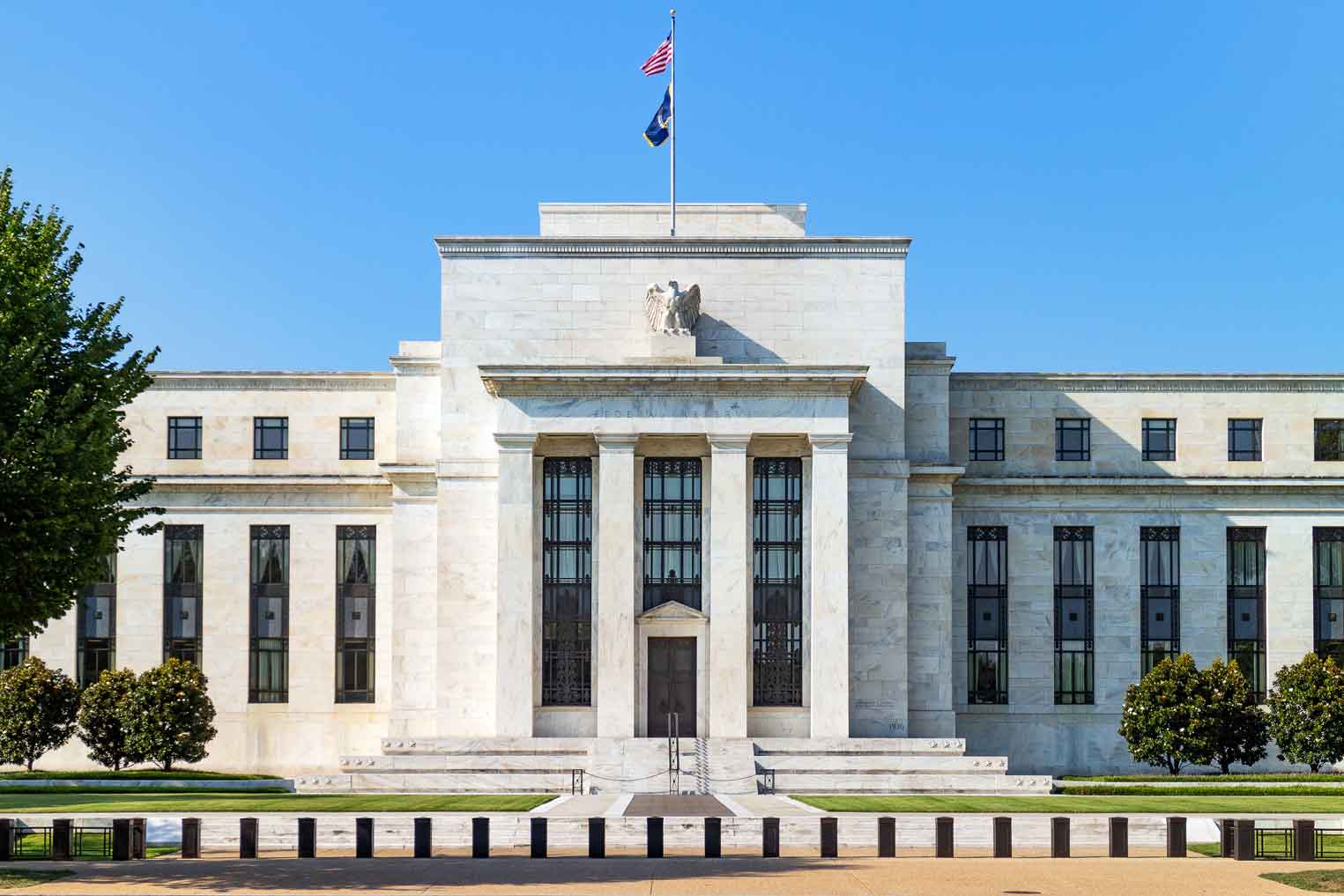
Analysts from BofA Securities have indicated that a moderate or prolonged increase in energy prices might prompt the Federal Reserve to adopt a more aggressive approach regarding interest rates.
Current Oil Prices#
Since the onset of the conflict in Iran in late February, oil prices have risen significantly. As of Wednesday, U.S. West Texas Intermediate (WTI) crude dropped by 4.1% to $88.57 per barrel, while Brent crude, the global standard, also fell by 4.1% to $100.23 per barrel. BofA suggests that these prices are now in a range that could lead the Fed to consider rate hikes.
Potential Impact on Interest Rates#
BofA analysts believe that if WTI averages between $80 and $100 per barrel this year, the likelihood of the Fed raising interest rates increases. Prior to the conflict, WTI was around $65 per barrel. Rising oil prices can contribute to inflation, which is a key concern for the Fed.
Inflation Concerns#
The increase in energy prices, partly due to the closure of the Strait of Hormuz—a crucial shipping route for oil—has raised alarms about inflation worldwide. In the U.S., consumers are already experiencing higher gasoline prices, which could lead to broader price increases in the future. A recent survey from S&P Global showed that more American businesses are facing higher input costs, adding to these inflationary pressures.
Possible Scenarios for the Fed#
BofA analysts note that there are various potential outcomes for the Fed's response. If the rise in oil prices is temporary, inflation may spike initially but then decrease as consumer spending slows. Conversely, if the oil shock persists, the Fed might become more concerned about inflation and consider rate hikes. However, if an economic downturn occurs due to a drop in equity markets, the Fed could adopt a more cautious or dovish approach to support employment.