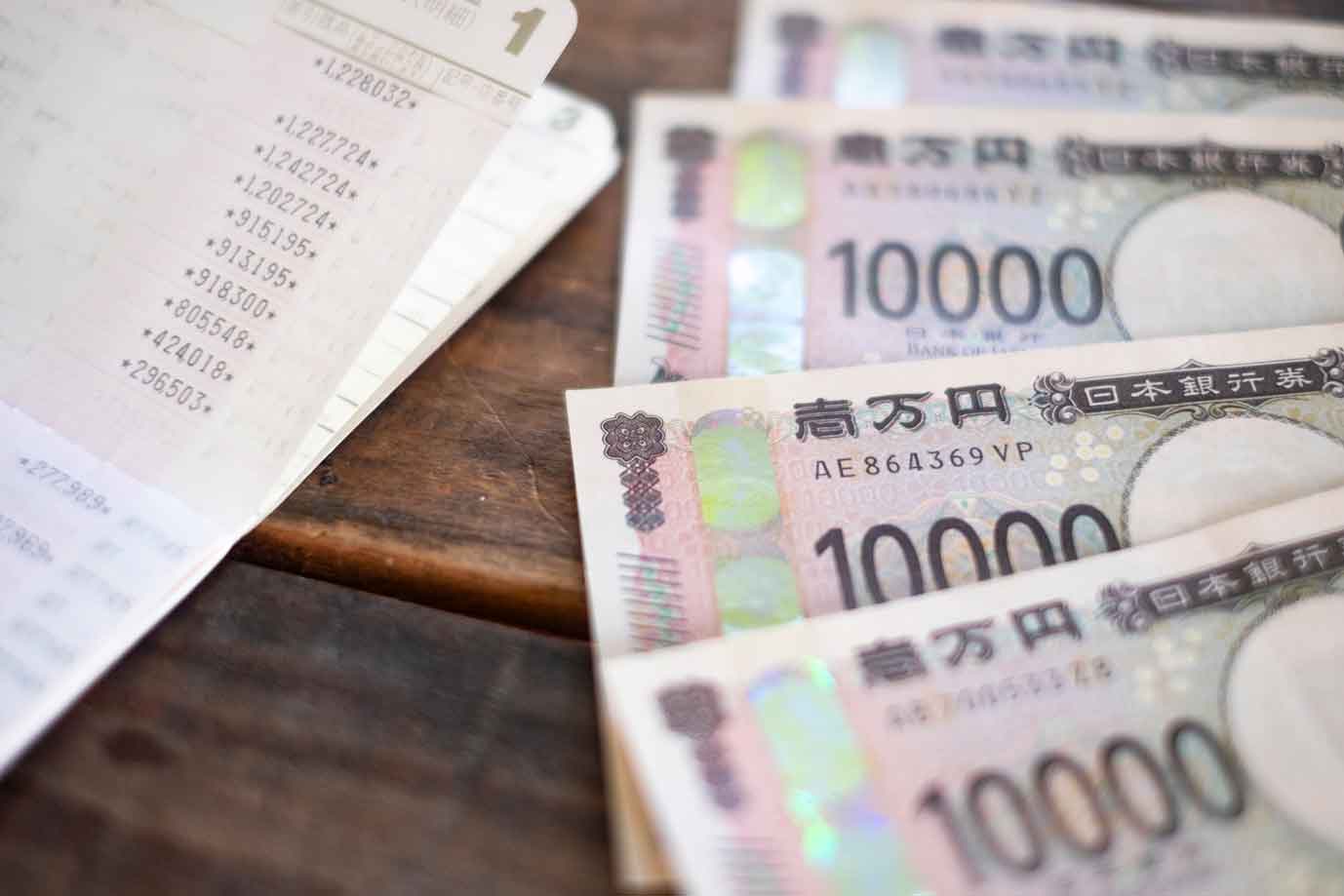
Yen Weakens After Intervention#
The Japanese yen experienced a decline on Friday, reversing its earlier gains from the previous session. This shift followed reports of government intervention in the currency market by Tokyo, particularly after the yen weakened past 160 against the U.S. dollar earlier in the week. Such a level has historically prompted intervention from the Japanese government.
Inflation Data Pressures Yen#
On Friday, the yen faced additional pressure due to disappointing inflation data from Tokyo. The consumer price index (CPI) for April fell short of expectations, indicating that government subsidies on utilities and food were keeping inflation low. This data often signals trends in national inflation, suggesting that price pressures remain subdued.
Dollar Stabilizes After April Losses#
In contrast, the U.S. dollar showed signs of stabilization after experiencing nearly a 2% drop in April. The dollar index rose slightly during Asian trading hours, as safe haven demand eased amid hopes for a resolution to the ongoing U.S.-Iran conflict. However, concerns about a prolonged conflict have led to renewed interest in the dollar as a safe asset.
Regional Currency Movements#
Asian currencies remained relatively stable, with local trading volumes affected by market holidays. The Australian dollar dipped slightly, indicating a cautious regional risk appetite. Meanwhile, the South Korean won remained steady, supported by strong export data, particularly in the chip sector driven by demand from artificial intelligence. The Chinese yuan and Indian rupee also showed little movement against the dollar.