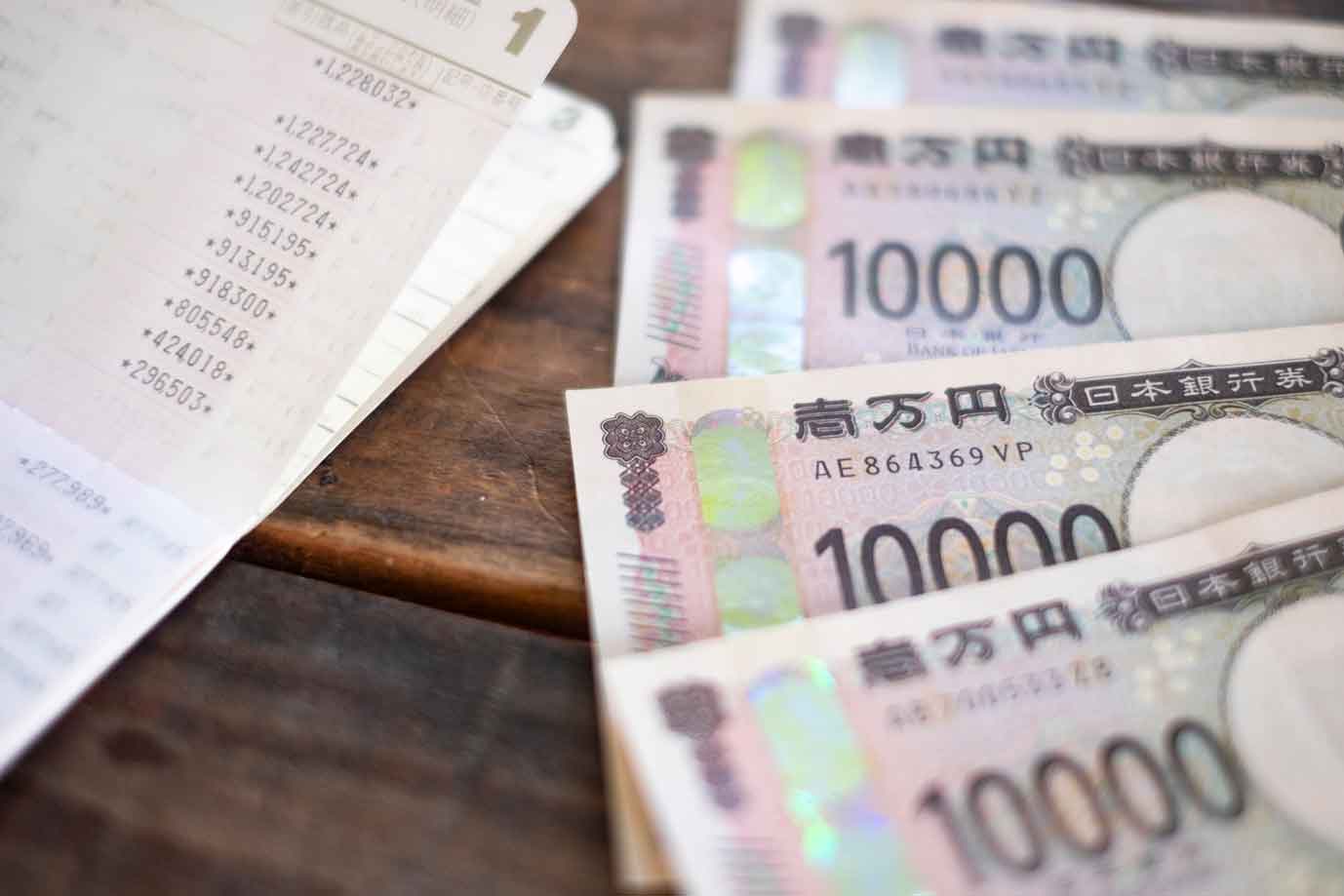
Indian Rupee Hits Record Low#
On Wednesday, the Indian rupee closed at a record low, primarily driven by rising crude oil prices. This situation has raised concerns about the country's current-account deficit, which is the difference between what a country earns from exports and what it spends on imports.
Exchange Rate Movement#
The exchange rate between the US dollar and the Indian rupee (USD/INR) increased by 0.3%, reaching 94.85. This marks the highest closing value for the rupee against the dollar ever recorded. Additionally, ten-year government bond yields saw a slight rise of 1 basis point, reaching 6.995%. Bond yields indicate the return investors can expect from holding government debt, and an increase can signal concerns about economic stability.
Crude Oil Prices and Global Events#
Brent crude oil prices have remained above $110 per barrel, which has significant implications for India, a major oil importer. Investors are closely watching developments in international peace talks related to the ongoing conflict in Iran. Reports suggest that former President Trump has directed aides to prepare for a prolonged blockade, which could further impact oil supply and prices.
Government Actions#
In response to these economic pressures, India has sold treasury bills worth 240 billion rupees, equivalent to approximately $2.5 billion. Treasury bills are short-term government securities that help manage the country's finances and liquidity.
This situation highlights the interconnectedness of global events and local economies, as rising oil prices can lead to increased costs for imports, affecting the overall economic health of a nation.