Goldman Sachs' Gold Price Forecast#
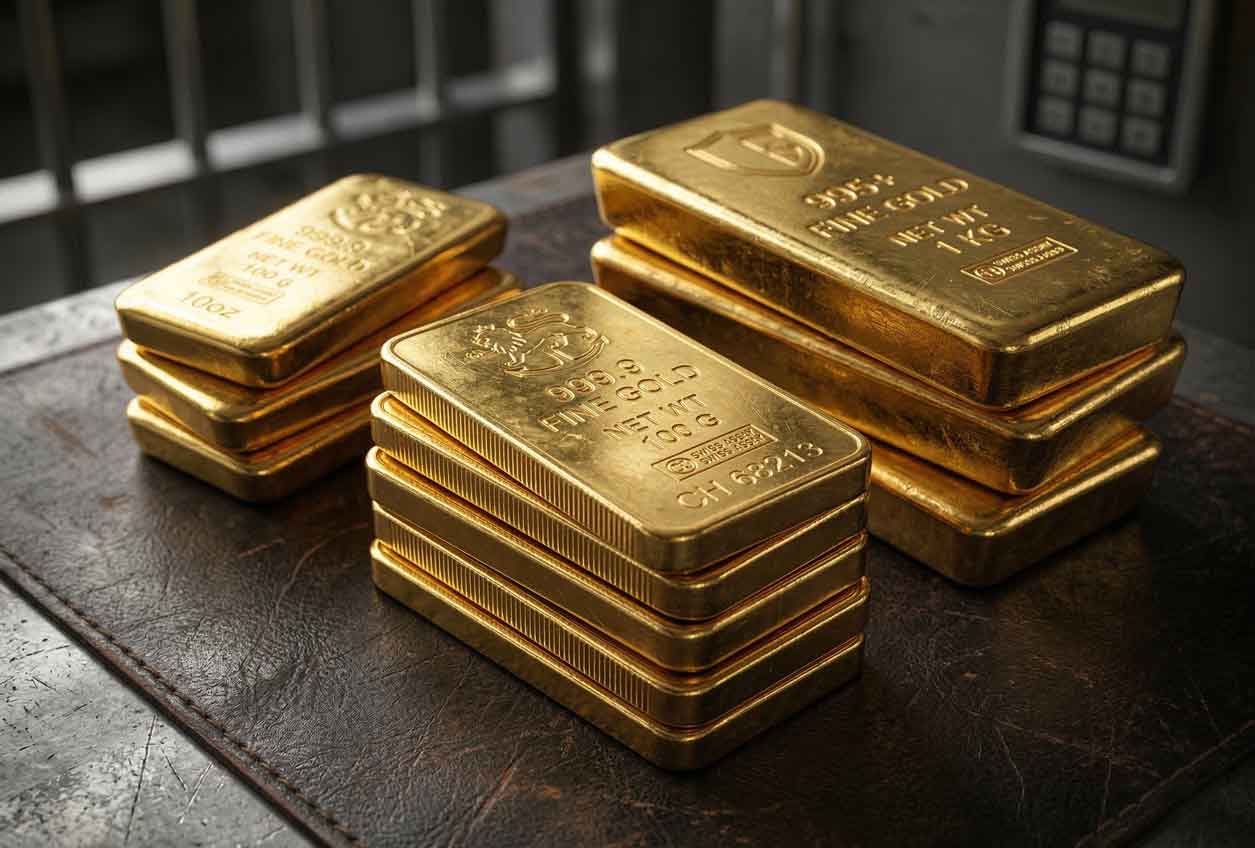
Goldman Sachs has kept its prediction for gold prices at $5,400 per troy ounce by the end of 2026. However, the bank has highlighted potential short-term risks that could affect this outlook. These risks include ongoing geopolitical tensions and possible corrections in bond and equity markets, which could lead to further selling of gold.
Near-Term Risks Identified#
According to Goldman strategists Lina Thomas and Daan Struyven, the near-term risks for gold prices are leaning towards the downside. They noted that if disruptions in the Hormuz Strait continue, or if there are further corrections in bond or equity markets, gold could face additional selling pressure.
Central Bank Demand Remains Crucial#
Despite these risks, Goldman remains optimistic about the long-term demand for gold, particularly from central banks. The bank anticipates that central banks will purchase an average of 60 tonnes of gold each month through 2026. However, their recent data showed a significant drop in purchases to just 2 tonnes in February, likely due to extreme price fluctuations.
Survey Insights on Gold Reserves#
A recent survey conducted by Goldman at its central bank conference revealed that about 70% of the 29 central banks surveyed expect their gold reserves to increase over the next year. Additionally, around 70% of respondents believe gold prices will remain above $5,000 per troy ounce within a year. The Bank of England was identified as the most favored location for storing new gold purchases.
Medium-Term Outlook#
Goldman's base case scenario assumes there will be no significant selling of gold by the private sector and no major shifts in investment strategies beyond what might be expected from a modest easing cycle by the Federal Reserve. The bank's economists predict a 50 basis point cut from the Fed, which could support higher gold prices. In the medium term, they suggest that risks could shift to the upside if geopolitical issues, such as those involving Iran, accelerate interest in gold as a safe-haven asset.