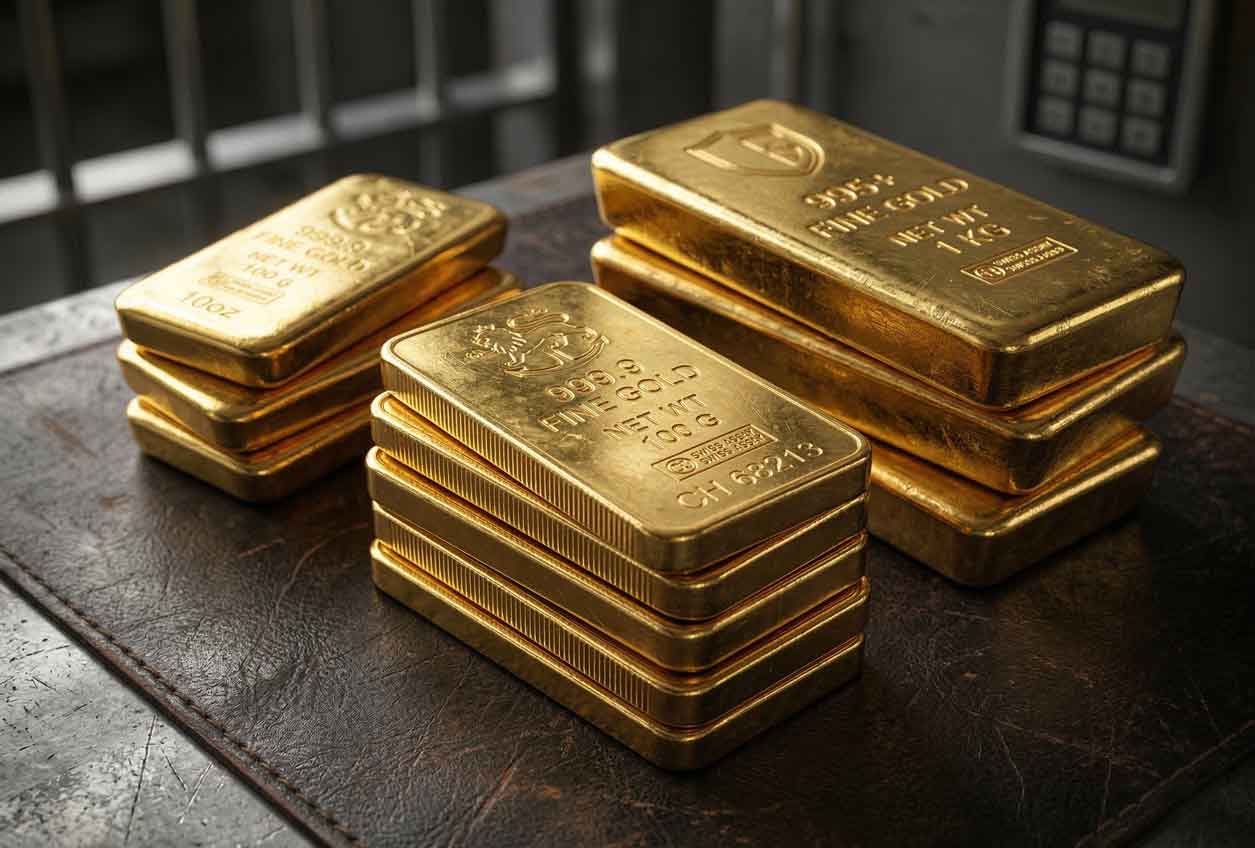
Gold Prices and Weekly Performance#
Gold prices saw a slight increase in Asian trading on Friday, but they are still expected to record a second consecutive week of losses. This decline is largely attributed to rising inflation fears linked to the ongoing conflict between the U.S. and Israel over Iran.
Market Influences#
On Friday, spot gold rose by 0.6% to $5,109.46 per ounce, while gold futures dipped by 0.3% to $5,111.84 per ounce. The increase in gold prices was partly due to a halt in the rise of the dollar and oil prices, especially after the U.S. announced additional waivers for Russian crude oil to mitigate supply disruptions from Iran.
Geopolitical Concerns and Inflation#
Despite some demand for gold as a safe haven amid escalating geopolitical tensions in the Middle East, its gains have been countered by persistent inflation worries. The ongoing conflict is expected to keep oil prices high, which could lead to increased inflation globally. This situation has caused markets to adjust their expectations regarding interest rate cuts by the Federal Reserve, which is anticipated to maintain current rates in its upcoming meeting.
Gold's Trading Range and Future Outlook#
Gold has been trading within a range of $5,000 to $5,200 per ounce since the conflict began. Although it remains up for the year, it has struggled to recover after dropping from a near-record high of $5,600 per ounce in late January. Analysts from ANZ noted that despite facing short-term challenges, gold continues to serve as an important asset for diversifying portfolios and providing protection against various economic and geopolitical risks.
Other Precious Metals#
Other precious metals also saw slight increases on Friday, with spot silver rising by 0.7% to $84.3275 per ounce and spot platinum increasing by 0.5% to $2,143.21 per ounce.
Upcoming Economic Data#
Market participants are now looking forward to the U.S. Personal Consumption Expenditures (PCE) price index data, which is the Federal Reserve's preferred measure of inflation. This data will be crucial for shaping future interest rate expectations, although it may not fully capture the recent energy-driven inflation increases. The PCE report is set to be released just days before the Fed's meeting, where rates are expected to remain unchanged at least until September.