Mixed Economic Signals#
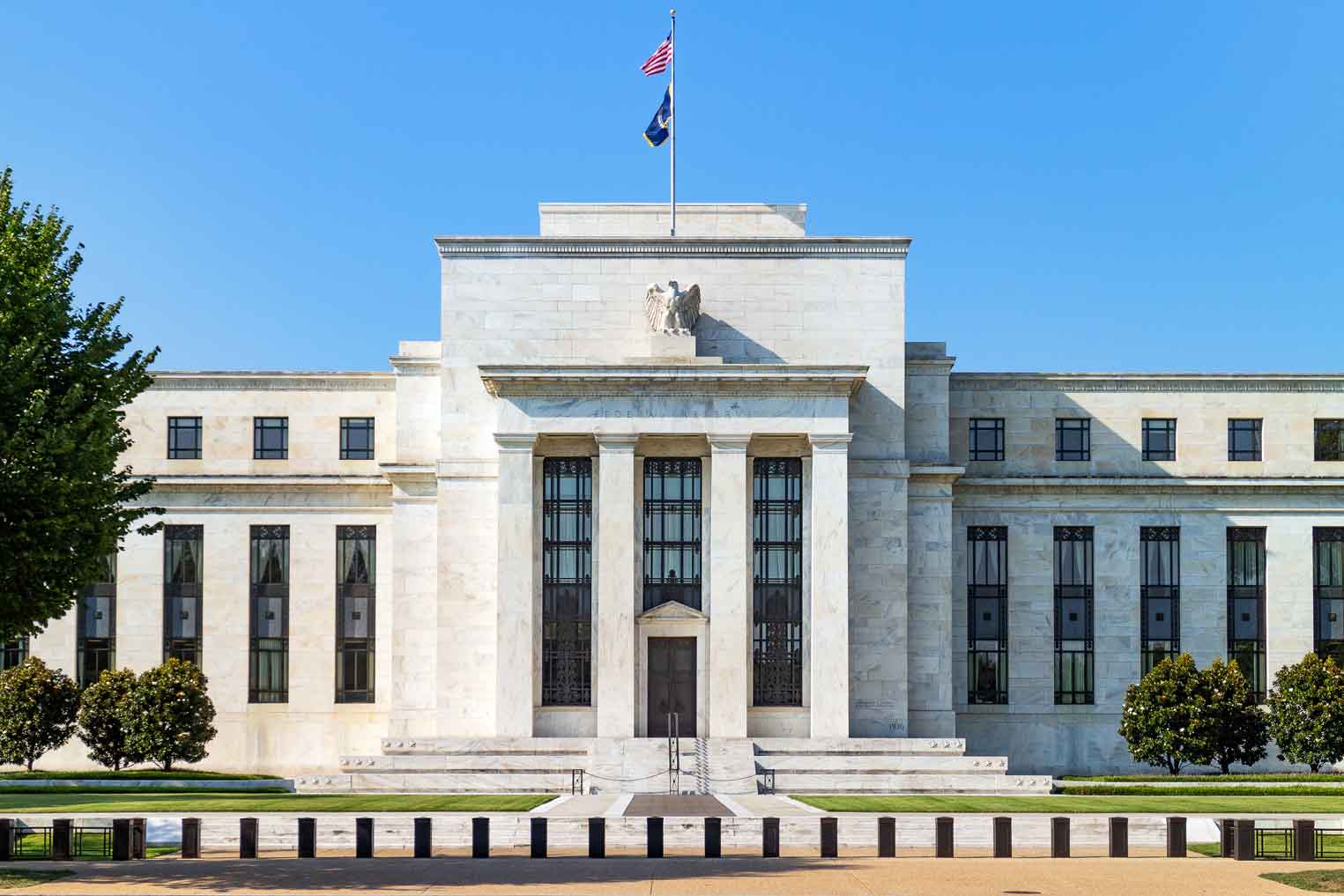
Recent U.S. economic data presents a mixed picture. While demand softened towards the end of last year, early indicators for 2026 show signs of resilience. Barclays economists suggest that persistent inflation will keep the Federal Reserve cautious about making any policy changes.
Growth and Spending Trends#
Barclays noted that the latest figures indicate a slowdown in economic growth at the start of the year, despite stronger household income and labor market conditions supporting consumer spending. The revised data shows that the U.S. GDP growth for the fourth quarter was lowered to 0.7% annualized, primarily due to weaker consumer spending and business investments. Consumer spending growth was adjusted down to 2.0% annualized, while private domestic final purchases were revised to 1.9%.
Income and Spending Insights#
Despite the softer demand, income data provides a more optimistic outlook. Revised estimates show that gross domestic income growth for the third quarter rose to 3.5%, and disposable income increased by 0.9% month-on-month in January. Real personal spending, adjusted for inflation, also saw a slight increase of 0.1% in January, indicating that consumer spending is generally in line with income trends. Additionally, job openings rose to approximately 6.95 million in January, reflecting a stable labor market.
Inflation Challenges Ahead#
Inflation remains a significant concern for policymakers. Although the consumer price index (CPI) data has been relatively subdued, the core Personal Consumption Expenditures (PCE) index, which the Fed prefers to monitor, continues to show stronger inflationary pressures. Barclays anticipates that the Federal Open Market Committee (FOMC) will keep interest rates unchanged in their upcoming meeting, awaiting clearer signs that inflation is moving closer to the 2% target. The bank has adjusted its forecast to predict only one rate cut of 25 basis points in September 2026, with a second cut postponed to March 2027, reflecting ongoing inflation concerns and risks associated with rising oil prices and geopolitical tensions.