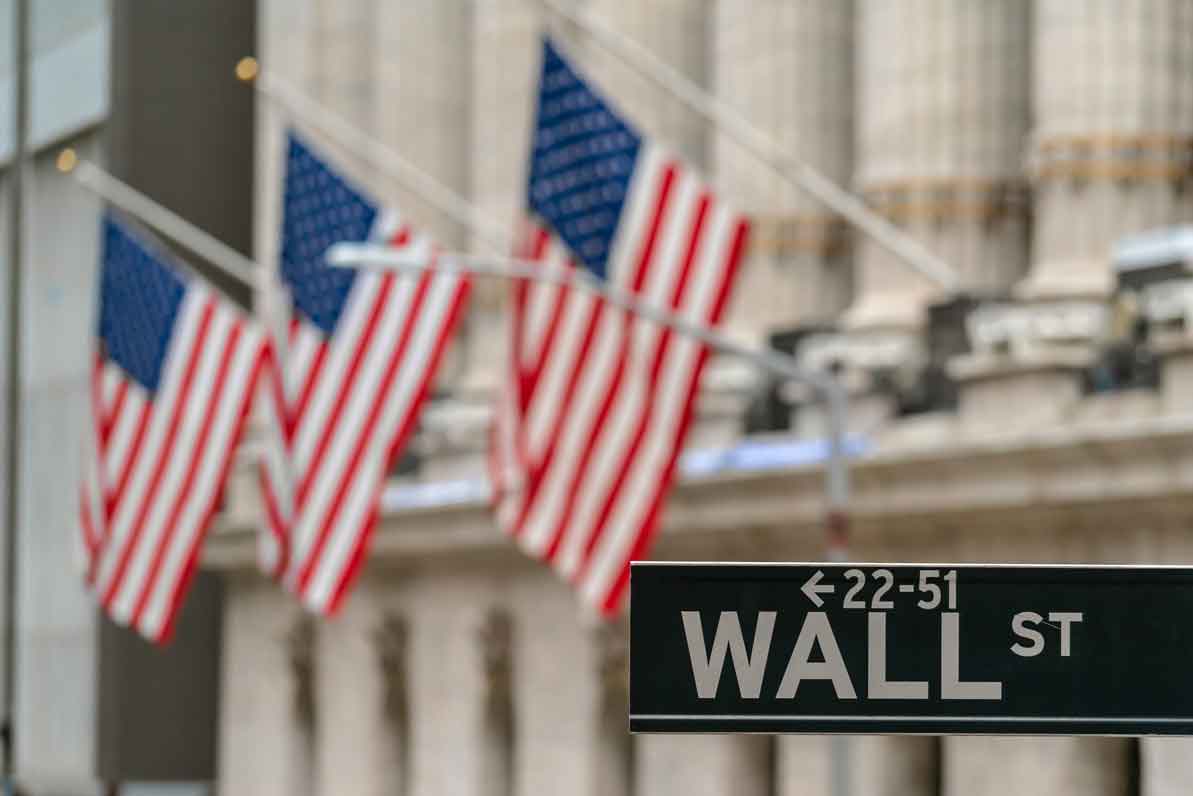
European Markets Rebound#
European stocks opened higher on Friday, recovering from losses earlier in the week. Investors are reacting to stabilizing oil prices amidst ongoing tensions in the Middle East. By 04:00 ET (08:00 GMT), the pan-European Stoxx 600 index rose by 0.7%, with Germany's Dax up 1.0%, France's CAC 40 increasing by 0.8%, and the UK's FTSE 100 advancing by 0.4%.
Impact of Rising Natural Gas Prices#
On Thursday, European shares fell to their lowest levels since December, primarily due to soaring natural gas prices. This spike was triggered by escalating attacks on energy infrastructure in the Middle East. A significant focus was on an attack that the U.S. attributed to Israel on the South Pars gas field in Iran, which led to retaliatory strikes by Tehran on gas production sites in the region, including a key facility in Qatar. Since Europe relies heavily on natural gas imports from Qatar, the conflict raises concerns about energy supply stability.
Central Bank Responses#
The European Central Bank (ECB) has expressed concerns that prolonged conflict could further increase inflation. While the ECB kept interest rates steady, it raised its inflation forecasts for 2026, reflecting the potential economic impact of the ongoing war. Analysts suggest that the ECB may consider interest rate hikes in the near future as inflation pressures mount. Meanwhile, the timeline for potential rate cuts by the U.S. Federal Reserve has also been delayed due to the situation in Iran.
Market Reactions and Investor Sentiment#
As investors navigate a volatile week, President Trump sought to reassure markets by promising to take necessary actions to de-escalate the crisis. Despite this, the prospect of rising borrowing costs has driven investors towards the U.S. dollar, diminishing the appeal of gold, which is typically seen as a safe investment during crises. Consequently, gold prices fell, impacting mining stocks in Europe, which dropped by 4.2% on Thursday.