Central Banks Take a Cautious Approach#
This week, central banks around the world, particularly those in the G-7 countries, are expected to keep their interest rates unchanged. This decision reflects a cautious strategy as policymakers prioritize stability in the face of ongoing economic challenges.
Geopolitical Influences on Monetary Policy#
While central banks primarily focus on domestic economic health, the ongoing conflict between the U.S. and Iran has become a significant factor influencing global monetary policy. The Strait of Hormuz, a crucial passage for about 20% of the world's oil and liquefied natural gas, has faced disruptions, leading to increased costs. This situation poses a risk to the progress made in controlling long-term inflation.
Anticipating Central Bank Rhetoric#
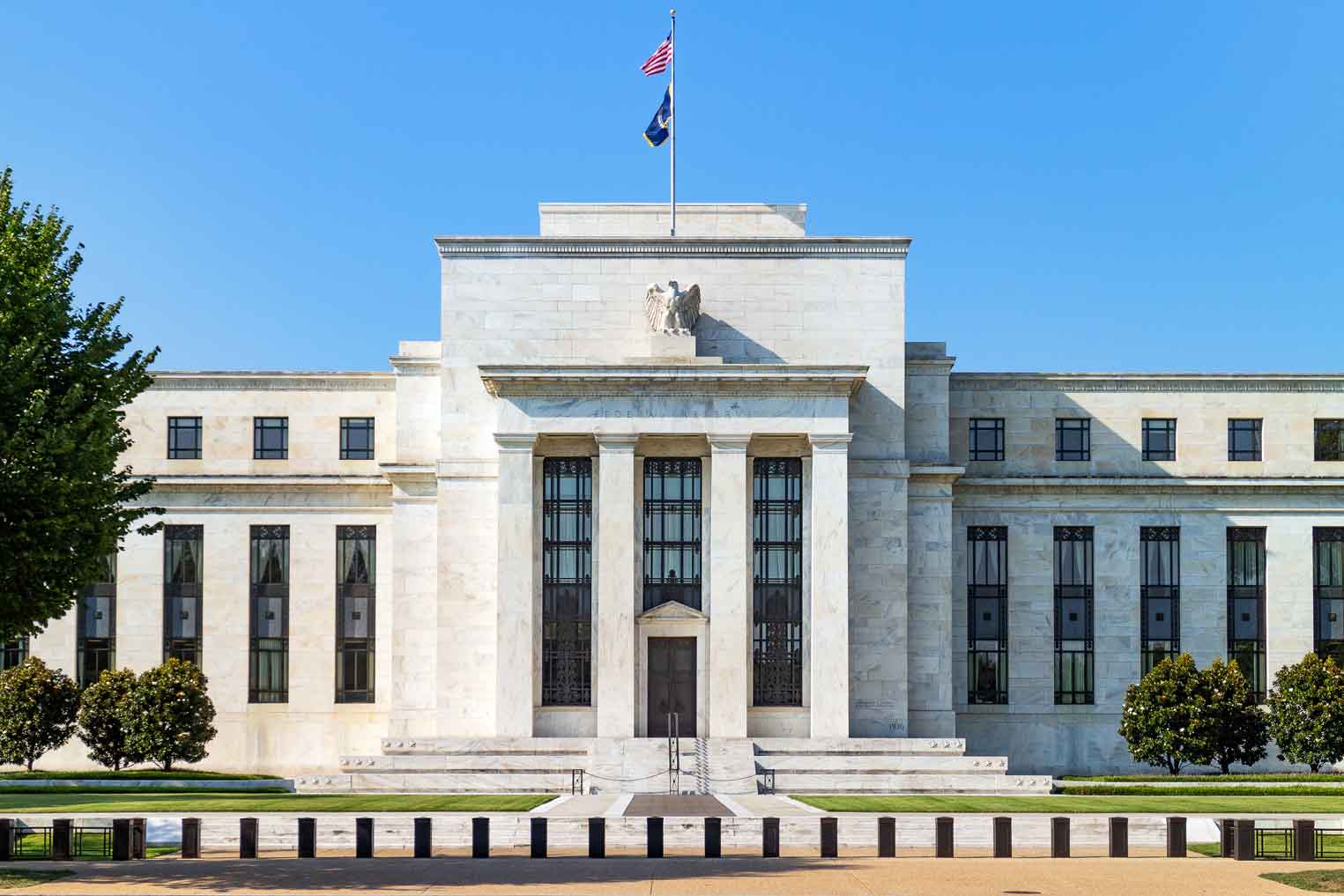
Investors are preparing for a week filled with assertive statements from central bank officials. In the U.S., the Federal Reserve is likely to maintain its current rates as it assesses the recent economic growth and the effects of the Middle East conflict on consumer spending. Similarly, the European Central Bank and the Bank of England are expected to hold their rates steady, while remaining vigilant about potential future increases due to rising inflation pressures in the euro zone.
Managing Economic Uncertainty#
Beyond immediate rate decisions, markets are closely watching for signs of economic divergence. In Asia, purchasing managers' indexes (PMIs) indicate a fragile resilience, while inflation in Latin America, especially in Brazil and Chile, contrasts with the more stable outlook in G-7 countries. As central banks navigate these complexities, their challenge will be to manage the risks of slowing economic growth and ongoing energy-driven inflation without causing a liquidity crisis. The global economy remains in a state of uncertainty, awaiting clearer signals on trade tensions and domestic growth sustainability.