Short-Term Euro Weakness#
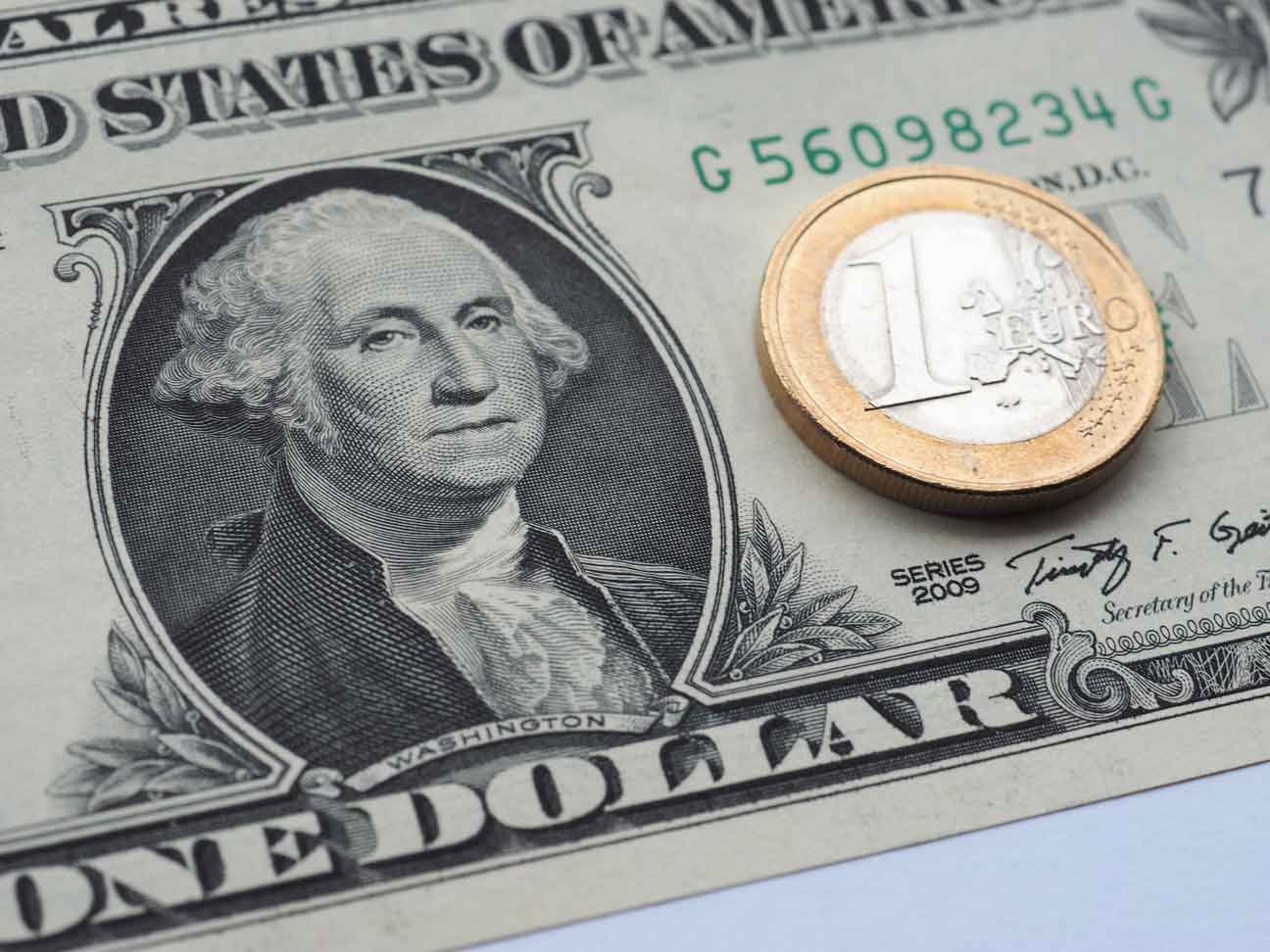
Bank of America (BofA) anticipates that the euro will weaken against the U.S. dollar in the near future due to ongoing geopolitical tensions and disruptions in the energy market. These factors are delaying a broader shift away from the dollar's strength, which has been prominent in recent months.
Revised Forecasts#
Strategists at BofA, including Adarsh Sinha, have adjusted their forecasts for the EUR/USD exchange rate to 1.14 in the short term. They also expect the USD/JPY rate to reach 1.60. This revision reflects changes in their macroeconomic outlook following the recent conflict in the Middle East, which has raised concerns about global growth and energy supply.
Continued Dollar Strength#
The strategists noted that prior to the conflict, they had expected a significant decline in the dollar starting in the second quarter. However, this outlook has been postponed due to the ongoing energy crisis, which is affecting economic growth in major regions like the euro area, China, and Japan. As a result, the dollar's strength is likely to persist into the second quarter, with risks of further increases if geopolitical tensions continue.
Long-Term Outlook for the Euro#
Despite the short-term challenges, BofA maintains a more optimistic view for the euro later in the year, projecting a year-end target of 1.20 for the EUR/USD exchange rate. This positive outlook hinges on several factors, including no additional interest rate hikes from the Federal Reserve, stabilization of energy supplies, and a rebound in global economic growth. The bank believes that improving fundamentals, such as stronger growth in Germany and favorable conditions for European reforms, will support the euro in the second half of the year. Additionally, BofA has a cautious stance on the British pound and a bearish outlook on the New Zealand dollar.