Overview of Asian Currency Trends#
Most Asian currencies are experiencing weakness as uncertainty continues regarding the ongoing conflict between the U.S. and Israel with Iran. This situation has left traders cautious, impacting the performance of various currencies in the region.
Chinese Yuan Surges on Trade Data#
In contrast, the Chinese yuan has shown remarkable strength, rising sharply after trade data for January and February exceeded expectations. The yuan's value against the dollar improved, falling below the 6.9 yuan level, supported by a stronger midpoint fix from the People's Bank of China. The data revealed that China achieved a significant trade surplus, driven by a surge in exports, indicating robust performance in its export sector, which is crucial for the country's economic growth. Additionally, increased domestic spending during the Lunar New Year contributed to higher-than-expected imports, although it remains uncertain if this trend will persist beyond the holiday.
Japanese Yen Steady Despite Economic Pressures#
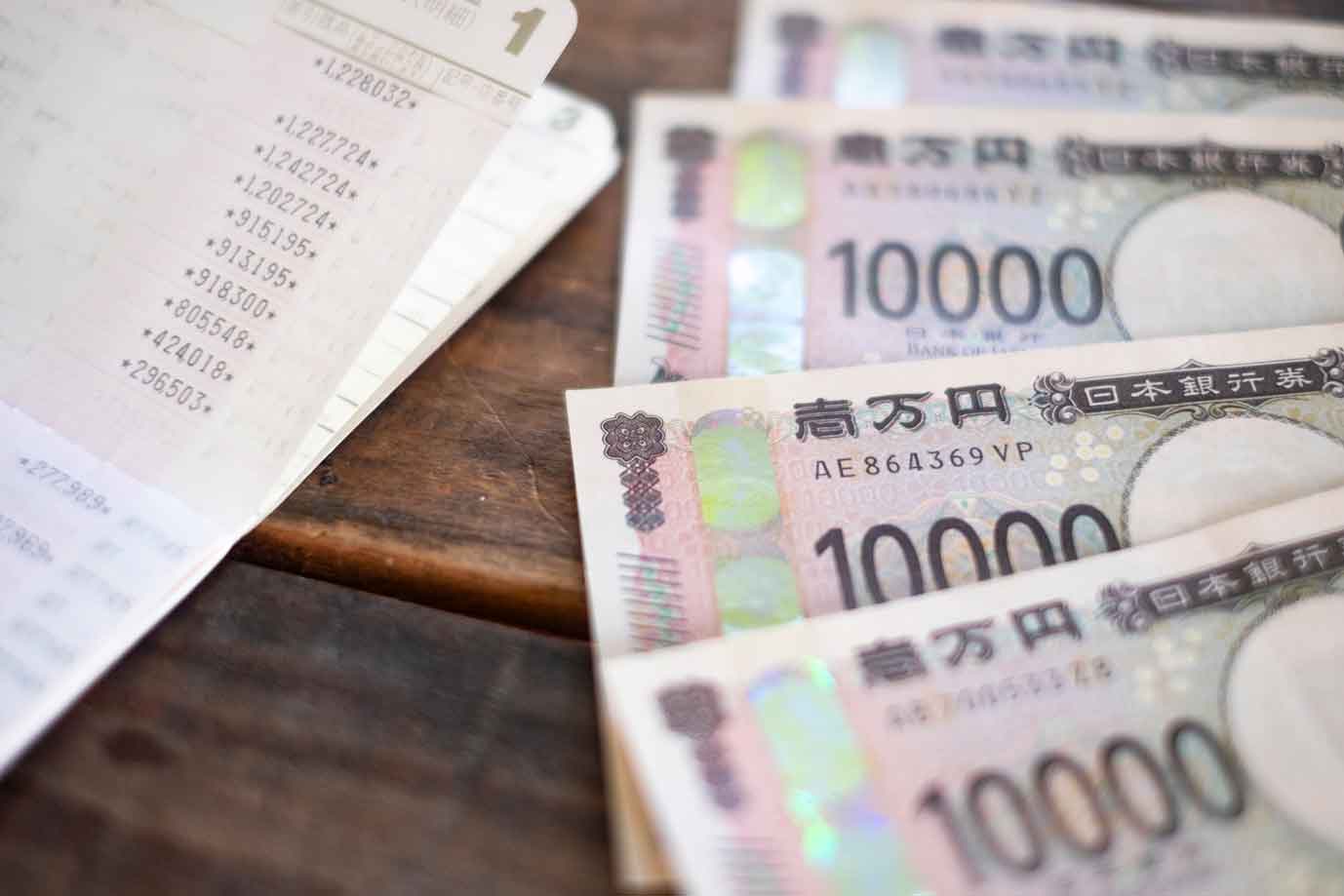
The Japanese yen has remained relatively stable, with a slight increase against the dollar. However, it continues to face challenges due to the strength of the dollar and concerns over energy disruptions affecting Japan's economy. Recent revisions to Japan's fourth-quarter GDP data showed stronger-than-expected growth, bolstered by increased capital expenditures and steady consumer spending. This resilience may provide the Bank of Japan with more flexibility to consider raising interest rates, although market uncertainty may delay such actions.
Broader Asian Currency Landscape#
Overall, most Asian currencies are under pressure as the market remains anxious about the Iran conflict. The Australian dollar has seen a slight decline, while the South Korean won has experienced a notable increase. The Singapore dollar and Indian rupee have both shown minor gains, reflecting mixed performance across the region. President Trump's recent comments about a potential resolution to the conflict have not significantly eased market concerns, especially following recent escalations in the situation.