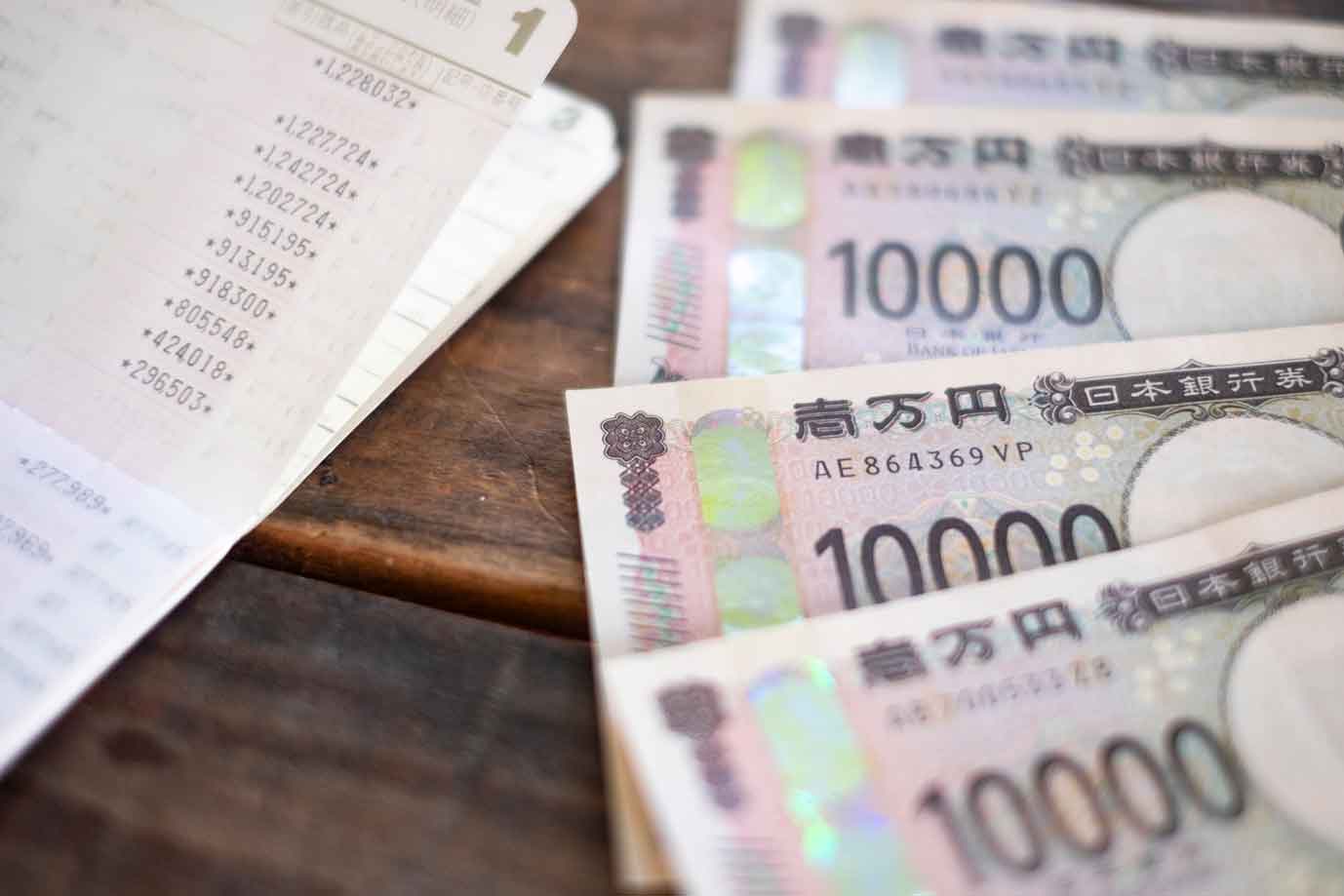
Asian Currency Stability#
Asian currencies remained largely unchanged on Tuesday as investors adopted a cautious stance amid escalating tensions between the U.S. and Iran. This uncertainty coincided with regional holidays in Japan, China, and South Korea, which contributed to lower trading volumes.
U.S. Dollar Strength#
The U.S. Dollar Index saw a slight increase of 0.1%, continuing its recent upward trend. This rise is attributed to safe-haven demand, which occurs when investors seek stability during uncertain times, and increasing U.S. Treasury yields, which reflect higher returns on government bonds.
Reserve Bank of Australia Raises Rates#
The Reserve Bank of Australia (RBA) raised its cash rate by 25 basis points to 4.35%, marking the third consecutive increase. The RBA cited ongoing inflation pressures and risks related to the Middle East conflict as key reasons for the hike. Higher fuel and commodity prices are contributing to inflation, and the bank warned that these costs might be passed on to consumers, potentially leading to further inflation.
Geopolitical Concerns and Oil Prices#
Tensions in the Strait of Hormuz, a crucial oil shipping route, have raised concerns about potential supply disruptions. U.S. President Donald Trump announced a plan called "Project Freedom" to escort vessels and ensure safe passage through the strait, but market reactions have been cautious due to uncertainty about its effectiveness. Oil prices, which had surged nearly 6% recently due to these fears, saw a slight decline on Tuesday as traders took profits, although they remained above $100 per barrel, keeping inflation worries alive.
Outlook for Asian Currencies#
Analysts suggest that Asian currencies are likely to remain stable in the near term. Geopolitical risks, fluctuations in oil prices, and signals from central banks are expected to dominate market sentiment, making traders hesitant to make significant moves.